Words That Shape Communities
Each publication is a testament to YILCO's commitment to preserving heritage, amplifying voices, and advancing knowledge across Africa. Reach out to request a copy.
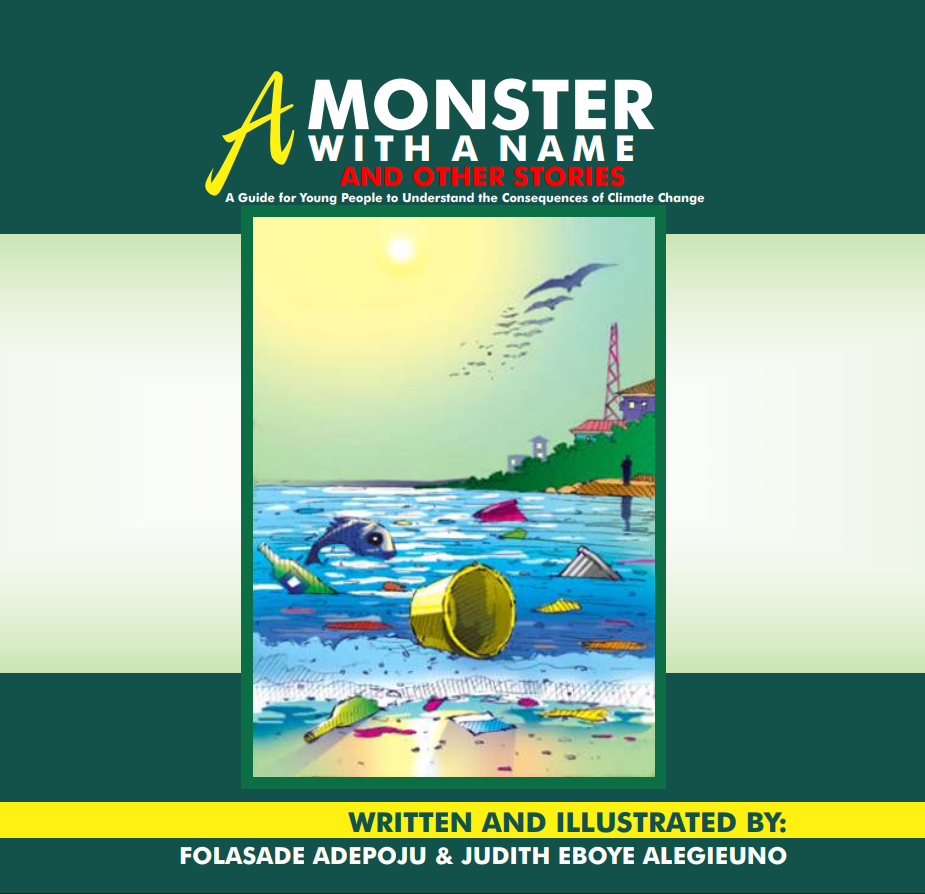
A Monster With A Name and Other Stories
Presently, one major challenge to world peace and security, especially in Africa, is climate change. With extreme droughts and rising temperatures causing food shortages and the loss of livelihoods in many regions of Africa, which in turn causes instability, strife, and conflicts between farmers and herders. It is a challenge indeed! Nigeria's climate has been changing, as evidenced by the country's food corridor, which is seen in experiences of temperature increase, flooding, sea level rise, high rainfall, and the fact that Lake Chad and other lakes in the nation are drying up and in danger of disappearing is primarily to blame for the drought, desertification, soil degradation, drop in precipitation, and rise in temperature that are now frequent sights in the Northern region of Nigeria. Extreme weather events are happening more frequently now, affecting fresh water supplies and reducing biodiversity. Rainfall has become more frequent and intense, resulting in huge runoffs and flooding in many parts of Nigeria. Variation in rainfall is expected to keep rising. Conflict over resources brought on by climate change could endanger Nigeria's security status as inter-ethnic and communal conflicts between ranchers and farmers have become deadly. However, it cannot be overstated how important it is to encourage young people to take climate action NOW, for except a deliberate action is taken in the area of equipping children with the desired knowledge of this menace and measures to curb it in their own way, exposing them to mitigation and adaptation measures which will change the trajectory, our children and the generation after them will pay the price because they too can help to protect the environment for peace in order to ensure coexistence and promote peace building.

The Dilemma Of Zeru Zeru -a collection of short stories on information disorder
This is a collection of short stories that confront the dangerous realities of information disorder across African communities. Through storytelling and human narratives, the book exposes how misinformation, disinformation, and long-held cultural myths can shape beliefs, influence behaviour, and, in many cases, cause harm. From a young boy who believes sickle cell disease is a death sentence, to a girl taught that violence is a form of love, to families misled by false health remedies, and communities destabilized by viral rumours and digital falsehoods, each story reveals a different form of information disorder. The stories moves between traditional settings and modern digital spaces, illustrating how both inherited beliefs and rapidly spreading online content contribute to cycles of fear, stigma, abuse, and poor decision-making. At its core, the book challenges the authority of "what everyone says” and questions the uncritical acceptance of cultural and social narratives. It introduces voices of reason - teachers, peers, and informed individuals who act as disruptors of falsehood, offering truth, clarity, and alternative paths grounded in knowledge and empathy. More than a literary work, this collection serves as an educational and advocacy tool. It highlights critical issues such as health myths, gender-based violence, digital misinformation, cultural disinformation, and exploitation through technology. Each story not only tells but teaches, equipping readers especially young people with the awareness needed to question, verify, and resist harmful narratives.