A visual record of our work across communities — documenting impact, preserving memory, and celebrating youth in action.
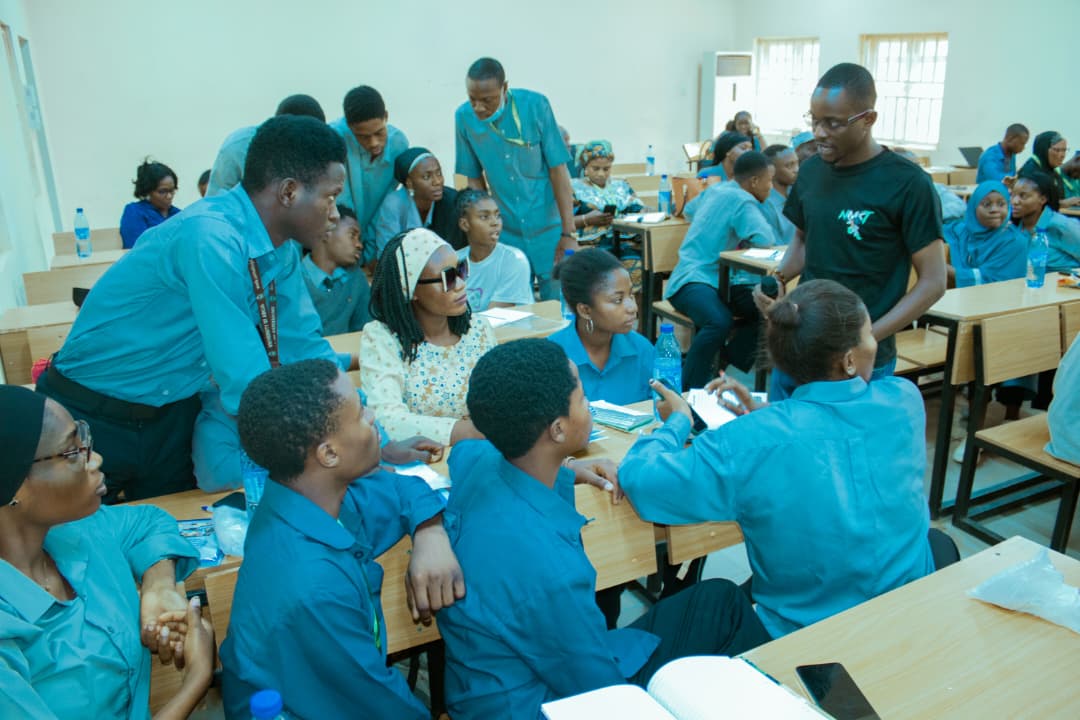
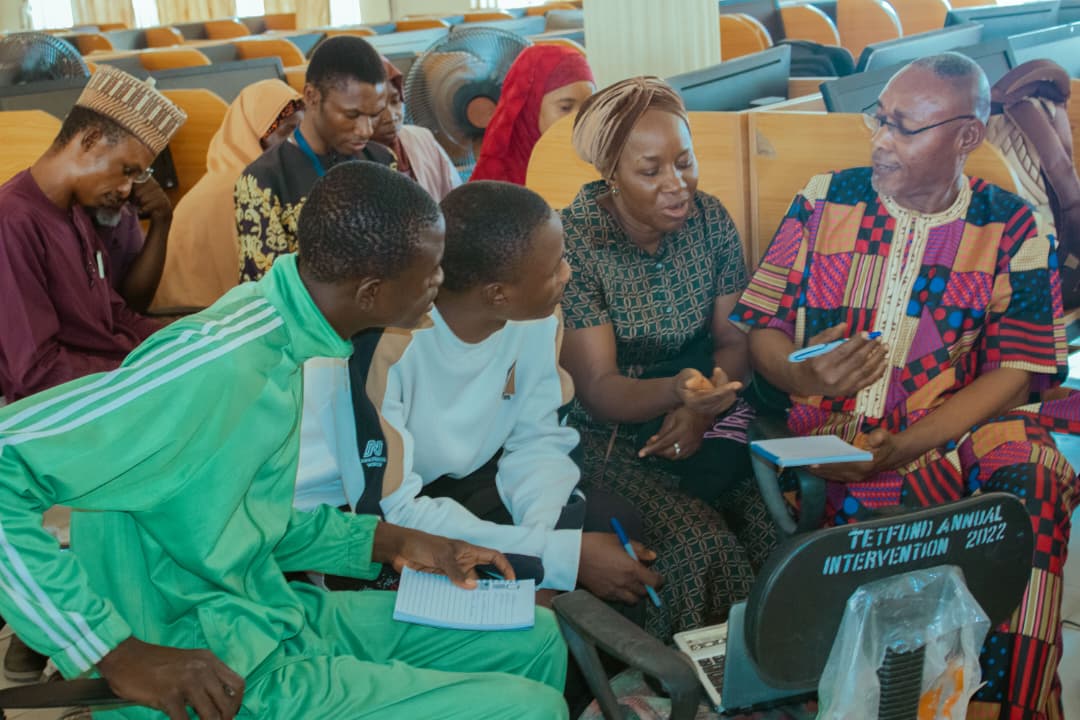
The Digital & Information Literacy Lab is a flagship intervention designed to expand equitable access to digital knowledge and tools for young people in underserved communities. It responds to the growing need for critical digital competencies in an increasingly interconnected world. Through structured, hands-on learning, participants acquire foundational and intermediate skills in computer use, online navigation, information verification, and digital content creation. The programme places strong emphasis on critical thinking, enabling young people to assess the credibility of information and engage responsibly in digital spaces. For many participants, the Lab provides their first meaningful access to digital infrastructure. Beyond skills acquisition, it fosters confidence, agency, and new pathways for education, employment, and entrepreneurship. The images presented in this section document training sessions, peer learning environments, and key moments of engagement that illustrate the programme’s reach and impact across participating communities.
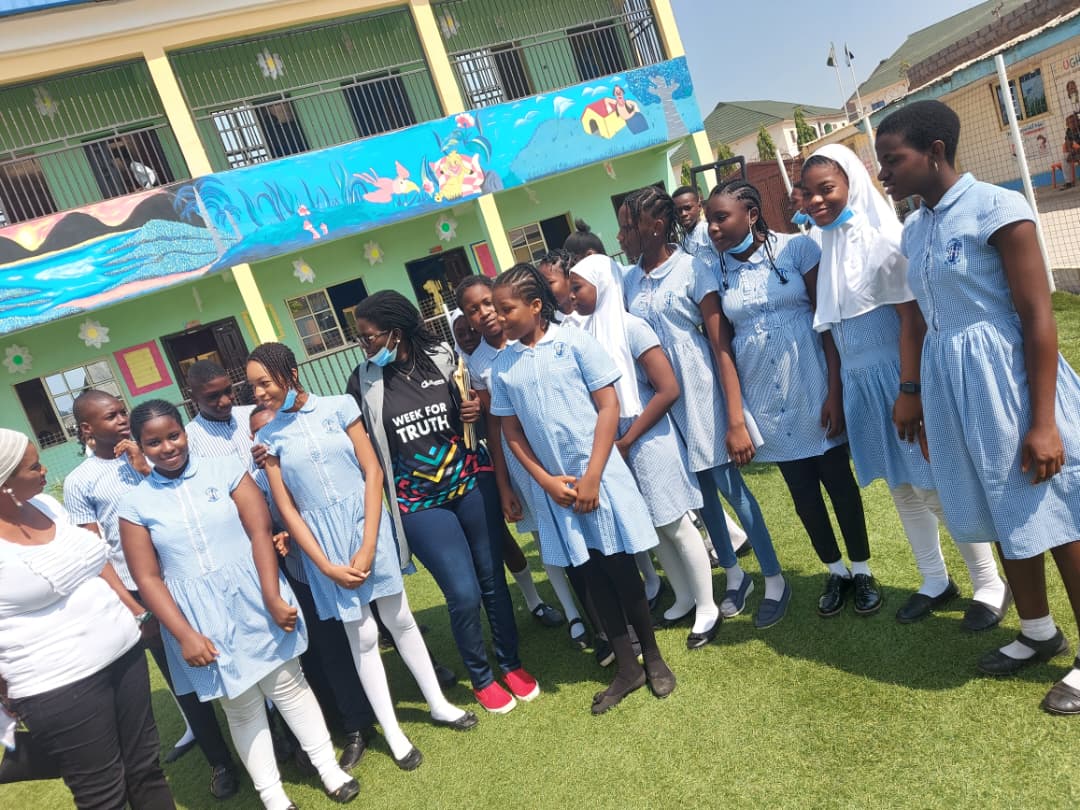
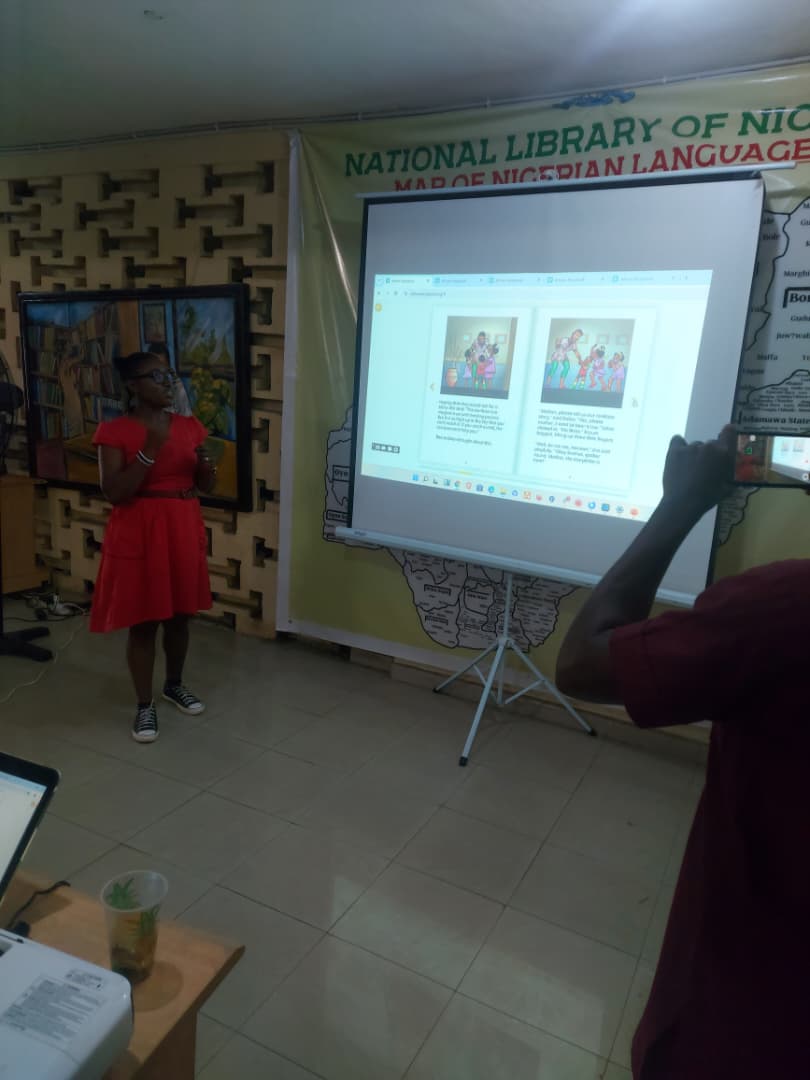
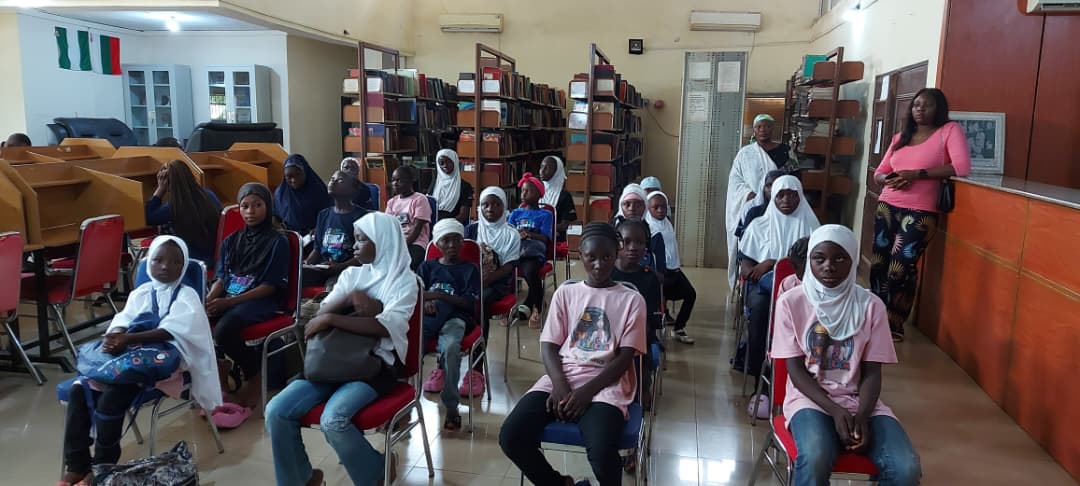
The Community Reading Circles programme promotes literacy development and critical engagement with texts through inclusive, community-based learning spaces. Designed to address gaps in both access to books and reading culture, the initiative brings structured reading activities directly into local environments. Participants engage with a diverse range of literary works, with a strong focus on African authors and contextually relevant materials. Facilitated discussions encourage reflection, dialogue, and the application of ideas to everyday realities, strengthening both comprehension and expression. By positioning reading as a shared and participatory experience, the programme contributes to improved literacy outcomes while fostering social cohesion and collective learning. This gallery captures reading sessions across multiple communities, highlighting interaction, dialogue, and the evolving relationship between participants and literature.
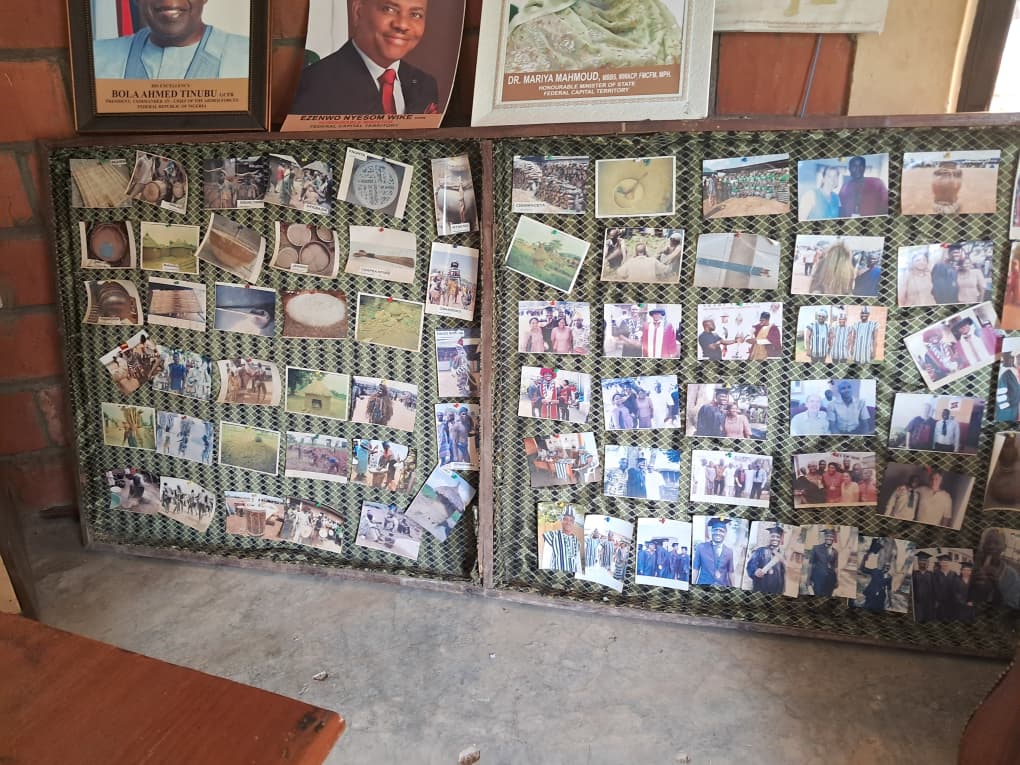
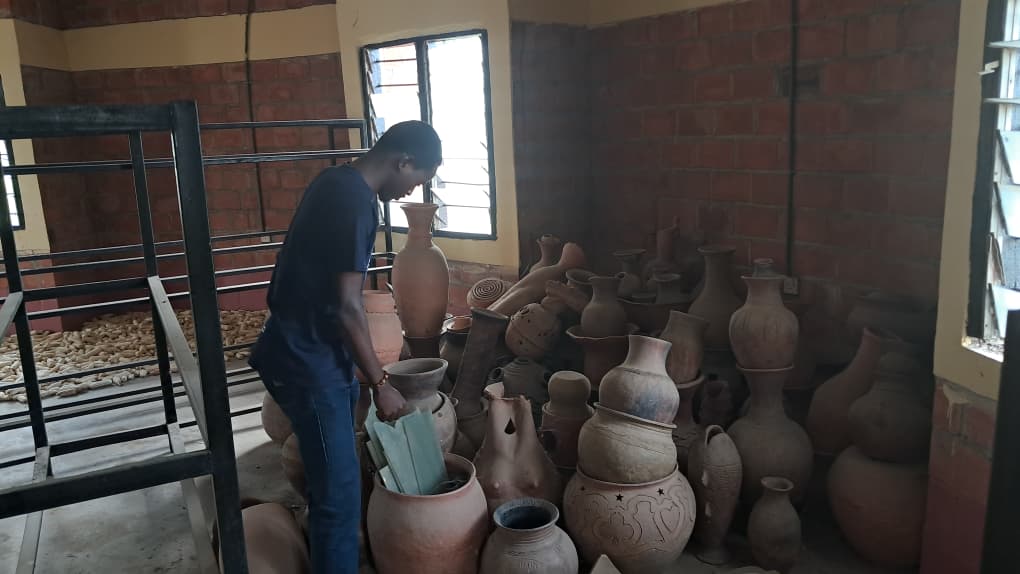
The Cultural Heritage Documentation & Ethnographic Study programme is dedicated to the preservation and transmission of indigenous knowledge systems, cultural practices, and community histories. It addresses the risk of cultural erosion by systematically documenting traditions that are often maintained through oral transmission. Working collaboratively with community elders, cultural practitioners, and youth, the programme records oral histories, rituals, artistic expressions, and other forms of intangible heritage. These efforts contribute to the creation of community-owned archives that serve both present and future generations. In addition to documentation, the programme facilitates cultural festivals and public showcases, providing platforms for intergenerational exchange and the active celebration of identity. The images in this section reflect field documentation activities, community engagements, and cultural events that underscore the richness and diversity of heritage across the programme’s areas of work.
The Youth Leadership Academy is a structured capacity-building programme aimed at developing a new generation of ethical, informed, and community-oriented leaders. It combines practical skill development with values-based learning rooted in both contemporary leadership principles and indigenous knowledge systems. Participants undergo intensive training in areas such as public speaking, civic engagement, conflict resolution, project management, and community mobilisation. The programme integrates mentorship, pairing participants with experienced professionals across sectors to support personal and professional growth. A core component of the Academy is the implementation of community-based projects, through which participants translate learning into measurable impact within their local contexts. This gallery documents key stages of the Academy, including training sessions, mentorship engagements, project implementation, and graduation milestones that mark participants’ transition into active leadership roles..